The Program
A Structured Path to Competitive Debate
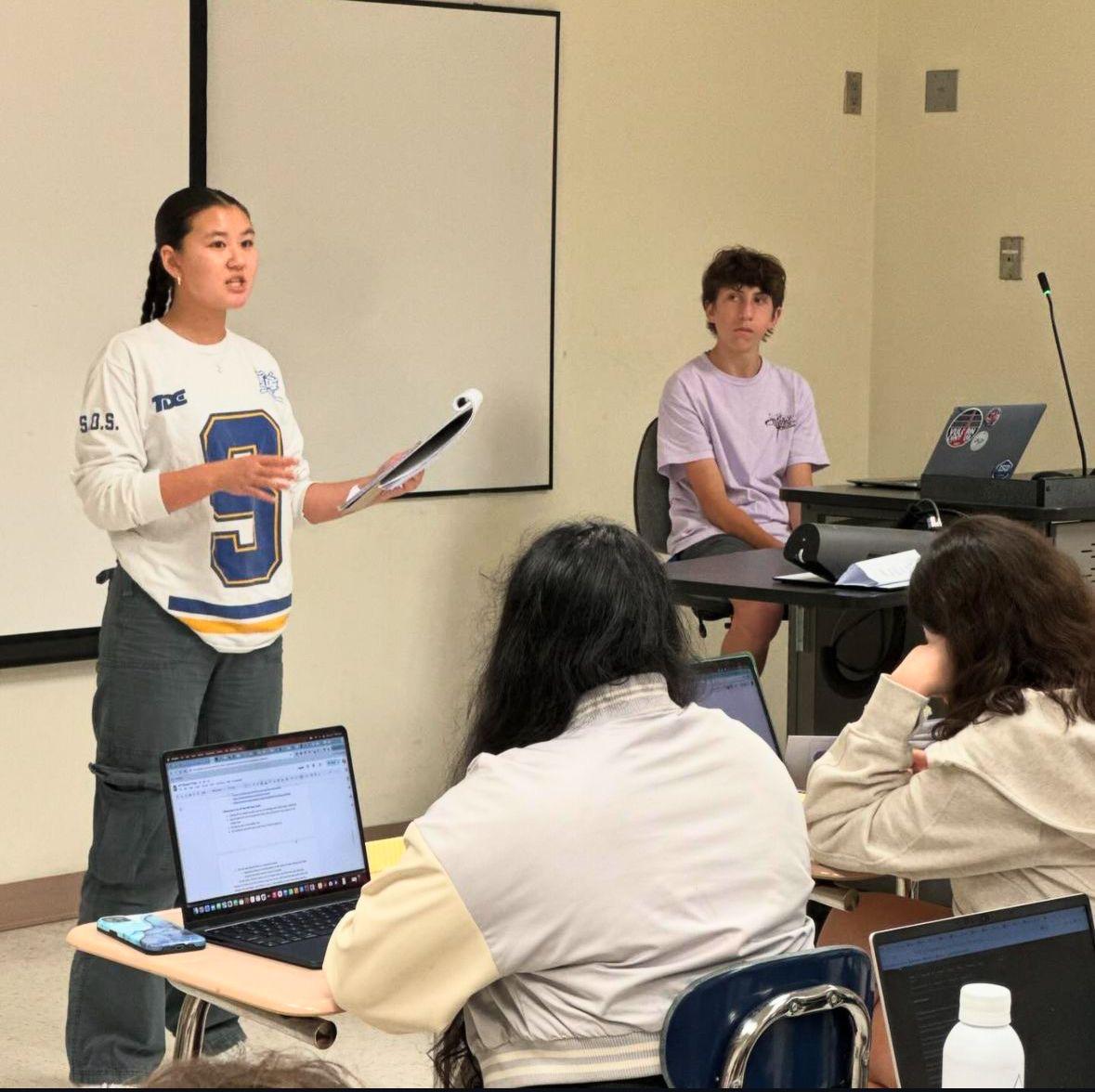
The program combines foundational instruction, focused coaching, live practice, feedback, tournament preparation, and student leadership.
Grades & Ages
Grades 5–12.
Schedule
Once a week, 5:30–7:00 PM
Redmond Center at Marymoor Park, Redmond, Washington.
Coaching Approach
Engaged classes with ongoing evaluation, format-specific coaching, and a clear pathway from beginner training to tournament-level competition.
Debate Formats
Four Competitive Formats
Students develop common foundational skills and later receive focused coaching in an appropriate competitive event.
Extemporaneous Speaking
Students analyze current events and prepare structured, persuasive speeches within a limited preparation period.
- Current-events awareness
- Research
- Analysis
- Organization
- Persuasive delivery
- Speaking under time pressure
Congressional Debate
Students participate in a simulated legislative chamber and deliver speeches for and against proposed legislation.
- Legislative analysis
- Parliamentary procedure
- Persuasive speaking
- Questioning
- Rebuttal
- Strategic participation
Lincoln-Douglas Debate
A one-on-one debate format centered on values, ethics, philosophy, and public policy.
- Values-based reasoning
- Framework development
- Case construction
- Cross-examination
- Refutation
- Strategic argument comparison
World Schools Debate
A team-based format that combines prepared and impromptu motions.
- Teamwork
- Argumentation
- Rebuttal
- Strategy
- Persuasive delivery
- Adaptation during a live round
Student Progression
Students Progress Through Skill, Not Time
Advancement through Spark, Contender, Challenger, Champion and Titan is based on demonstrated skill, readiness, performance, professionalism and leadership — not grade, age or semesters enrolled.
Curriculum
Seven Pillars of Debate Instruction
Research and Evidence Evaluation
- Research unfamiliar subjects
- Identify credible sources
- Evaluate evidence
- Recognize bias and context
- Organize research
- Use evidence effectively
Rebuttal and Refutation
- Identify central arguments
- Respond directly
- Expose weak reasoning
- Compare competing impacts
- Extend arguments
- Adapt strategy
Public Speaking and Delivery
- Vocal clarity
- Speech organization
- Confident body language
- Persuasion
- Audience awareness
- Time management
Listening and Flowing
- Active listening
- Structured note-taking
- Argument tracking
- Rebuttal preparation
- Direct engagement
Teamwork and Collaboration
- Collaborative research
- Division of responsibilities
- Peer feedback
- Strategic coordination
- Respectful disagreement
Leadership and Mentorship
- Mentor developing students
- Lead drills
- Support practice rounds
- Provide feedback
- Develop reusable resources
Logical Reasoning and Argument Construction
- Claims
- Warrants
- Evidence
- Impacts
- Case structure
- Comparative analysis
- Logical fallacies
In the Classroom
What a Lesson Includes
Sessions combine instruction, drills, research, and live practice so students apply what they learn every week.
- Short instructional segments
- Speaking drills
- Research exercises
- Practice debates
- Peer feedback
- Coach feedback
- Tournament simulations
- Performance review